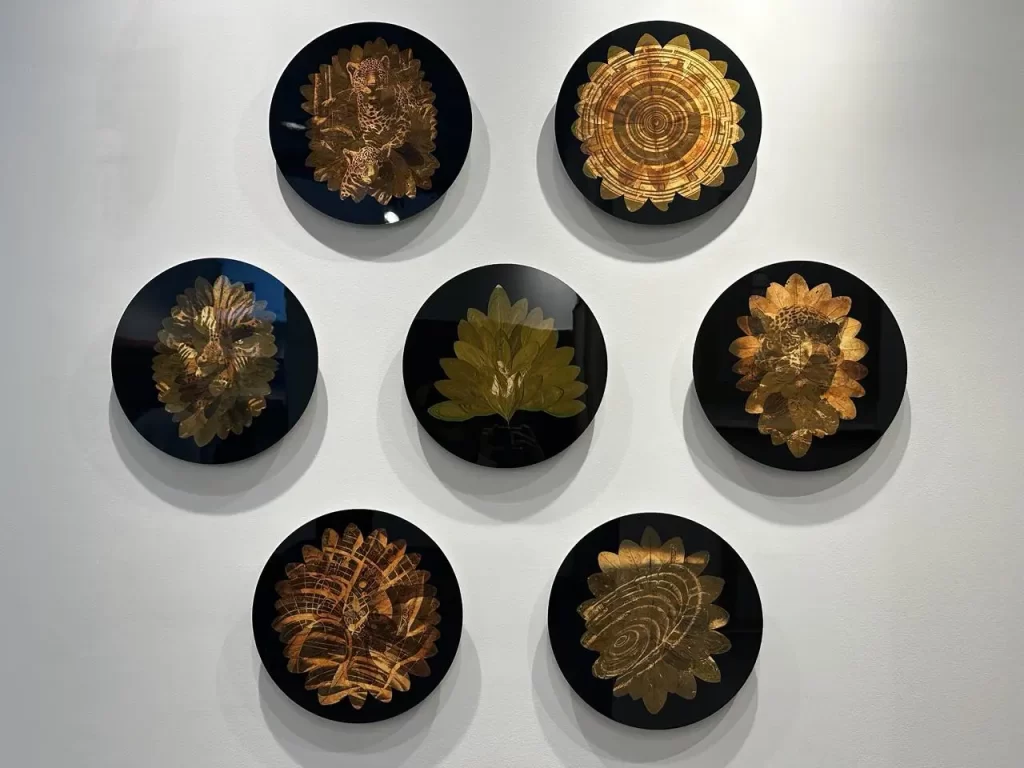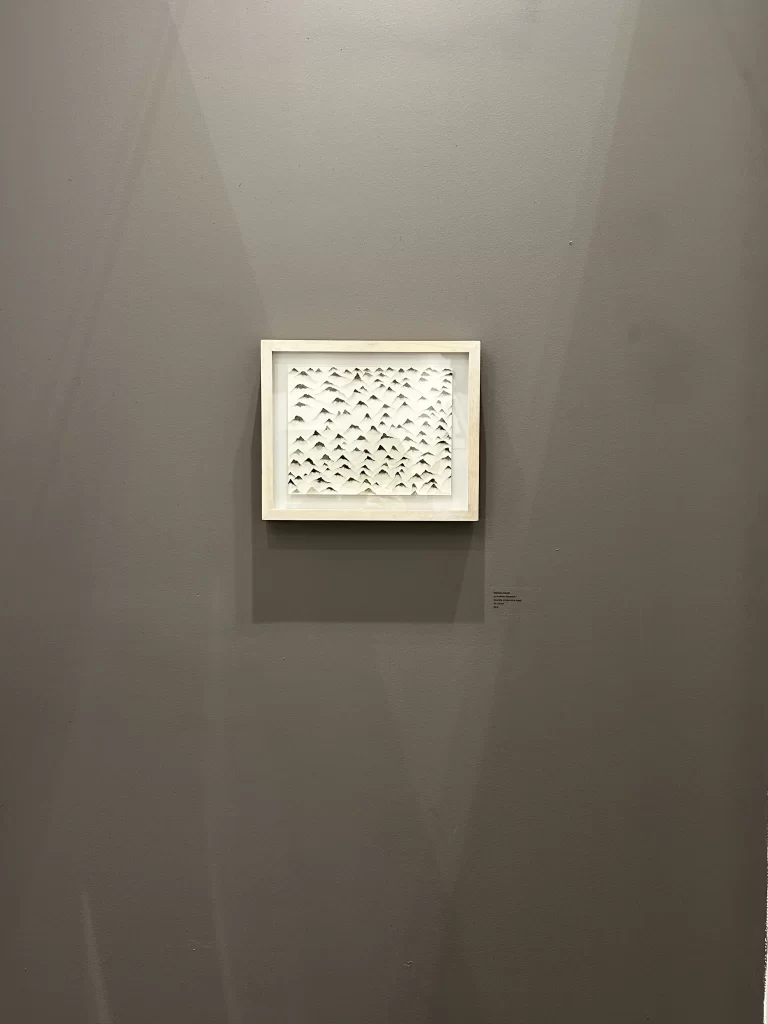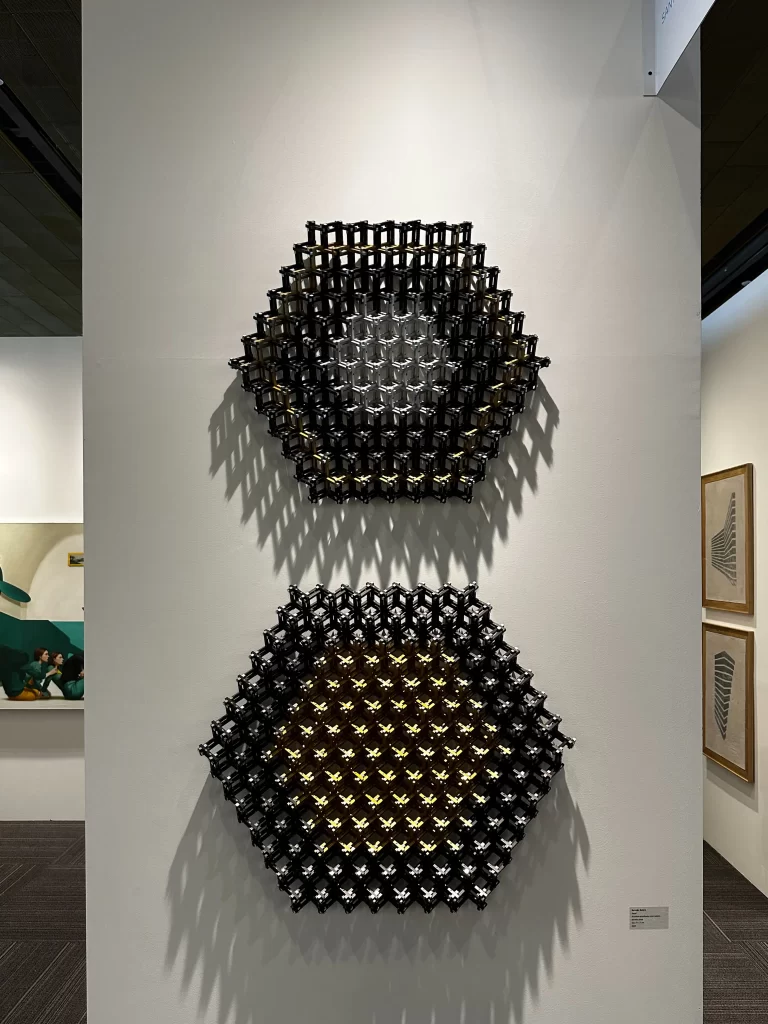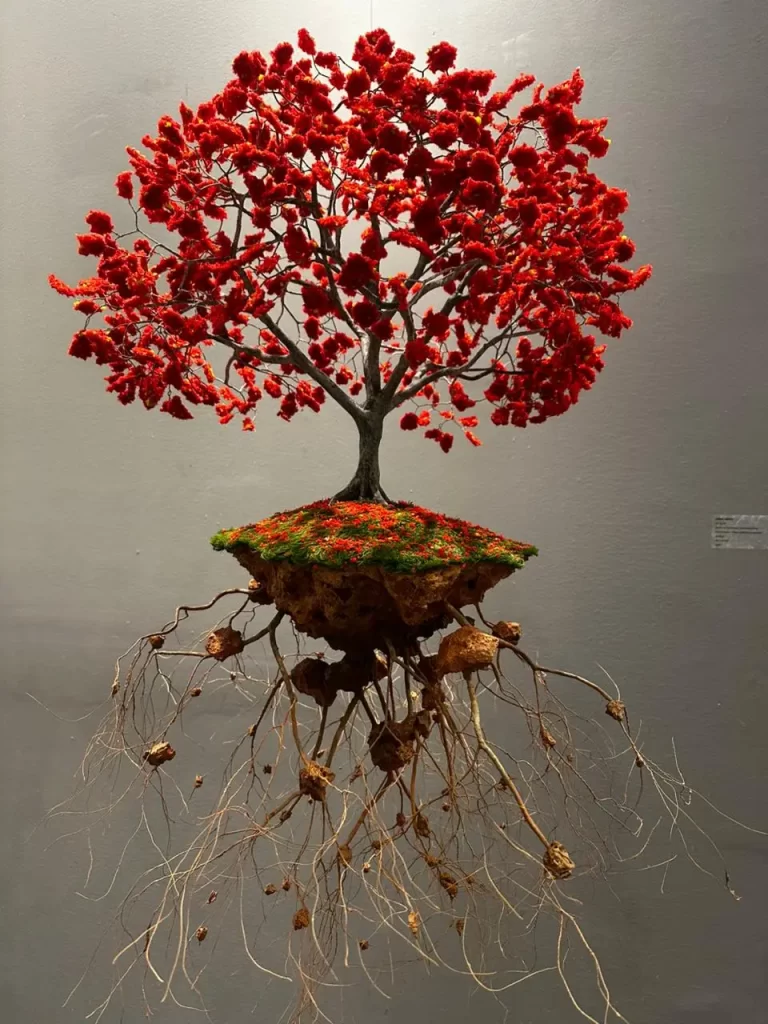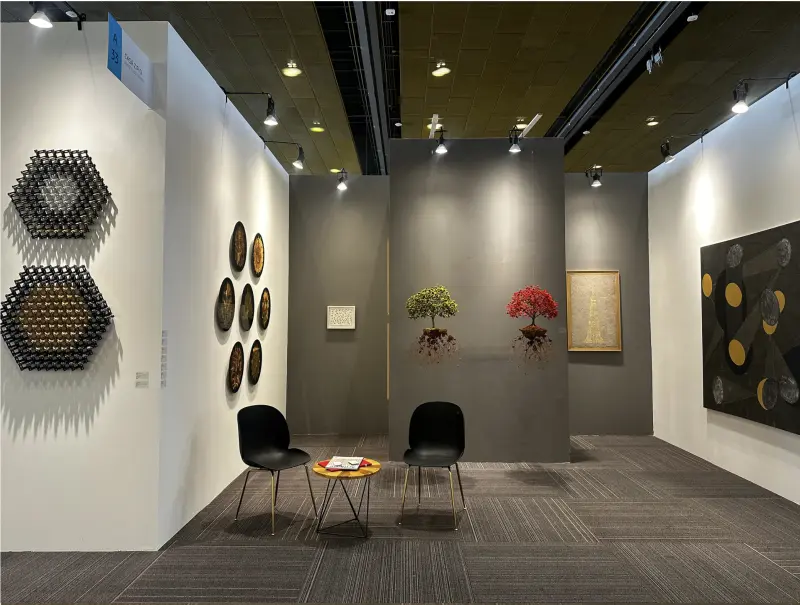
The powerful narrative, woven from the local and global stories of contemporary artists Javier Vanegas, Germán Botero, Juan de Dios Vargas, Jorge Mayet, Mariana Varela, and Mario Vélez, unfolds across the intricate spectrum of territorial behaviors. In their works, the landscape is revealed as territory—not merely as physical geography, but as a symbolic stage where memory, ancestry, and technological disruption intersect.
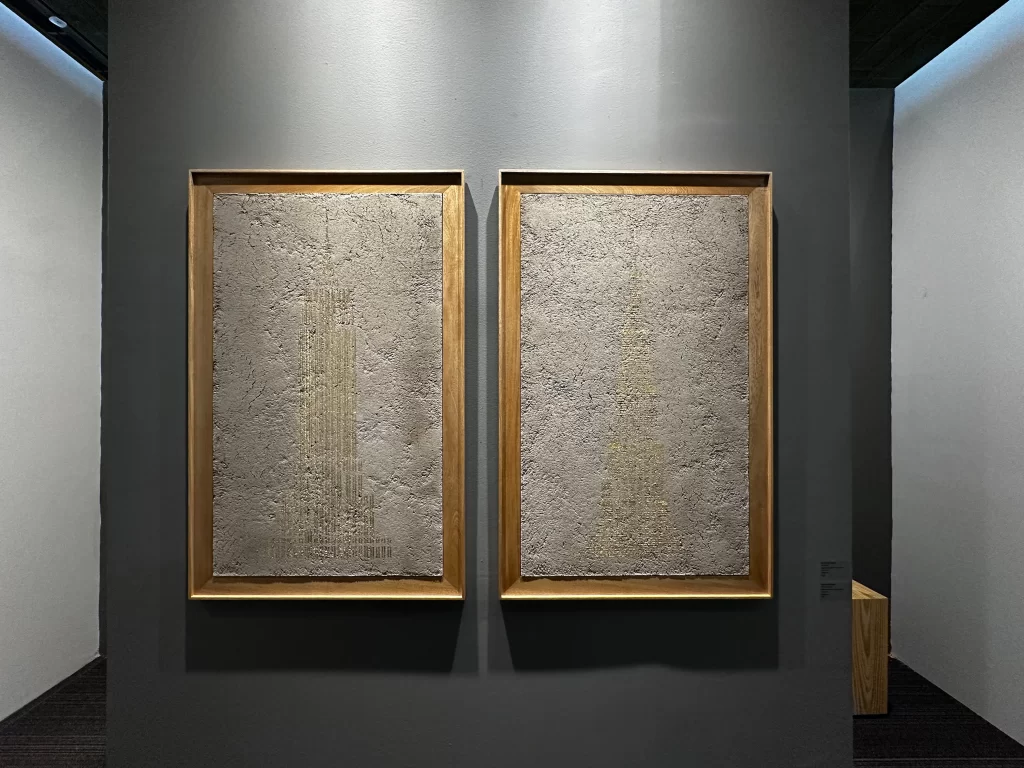
In the works of Javier Vanegas and Germán Botero, territory is approached through geometry and spatial construction. Vanegas offers a critical reading of symbols of power and urbanism, while Botero erects structures that evoke the monumentality of ancestral architecture, engaging in dialogue with geometric abstraction and the memory of ritual landscapes.
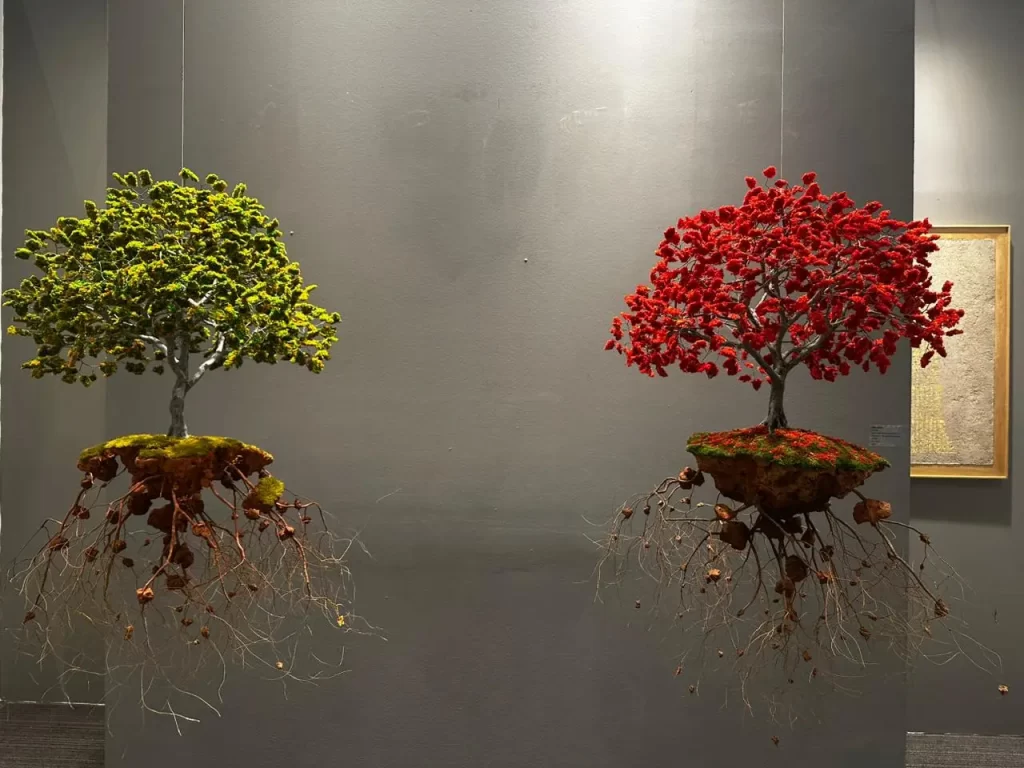
Juan de Dios Vargas and Jorge Mayet expand this spectrum toward a reflection between the intimate and the political. Vargas, through works that recreate impossible architectures, alludes to the tensions between history and modernity, while Mayet suspends fragmented landscapes in the air—floating islands that question belonging, exile, and the fragility of our roots.